Type "things to do in Bangkok" into Google and you get the same twenty things in a slightly different order every time. Grand Palace, Wat Pho, a tuk-tuk ride, a rooftop bar, a floating market. It's not bad advice. It's just the tour-bus version of the city, and after a few days of it you start to wonder where everyone who actually lives here has got to.
So here's the other list: the places I send friends when they visit, with honest notes on which famous things still earn the queue and which ones you can happily skip. If you came looking for things to do in Bangkok like a local, this is it.
Night markets: skip Jodd Fairs, go to Srinakarin
Every itinerary now points you at Jodd Fairs. It's central, it's on the MRT, and that's exactly why it's full of tourists and getting pricier. The volcanic pork ribs are worth ordering, but the place is smaller and more touristy than its reputation suggests. Patpong and Khao San get called night markets too. They're not. They're drinking streets with fake-watch stalls bolted on.
Go to Srinakarin Train Night Market instead (Thursday to Sunday, from 5pm, best on a Friday or Saturday night). It started the whole train-market trend, the food section runs on forever, and the prices are the ones locals actually pay. Try the dancing shrimp salad once: raw shrimp, still twitching, in a spicy lime dressing. You won't find that on a tourist menu. Show up between 5 and 6:30 while the seafood is fresh, because by nine the best stalls have sold out.
The one real downside is that it's a long way from the centre. If you want the full breakdown of which markets are worth your time and exactly when to turn up, that's the whole subject of our Bangkok night markets guide.
Temples: skip the Grand Palace crush, cross the river instead
The Grand Palace and Wat Pho live up to the photos. They also come with hour-long queues, a dress code checked at the gate, touts outside telling you the palace is "closed today" (it isn't), and the thickest crowds in Bangkok. See them once on a first trip. Go the minute the gates open and make your peace with being a tourist for the morning.
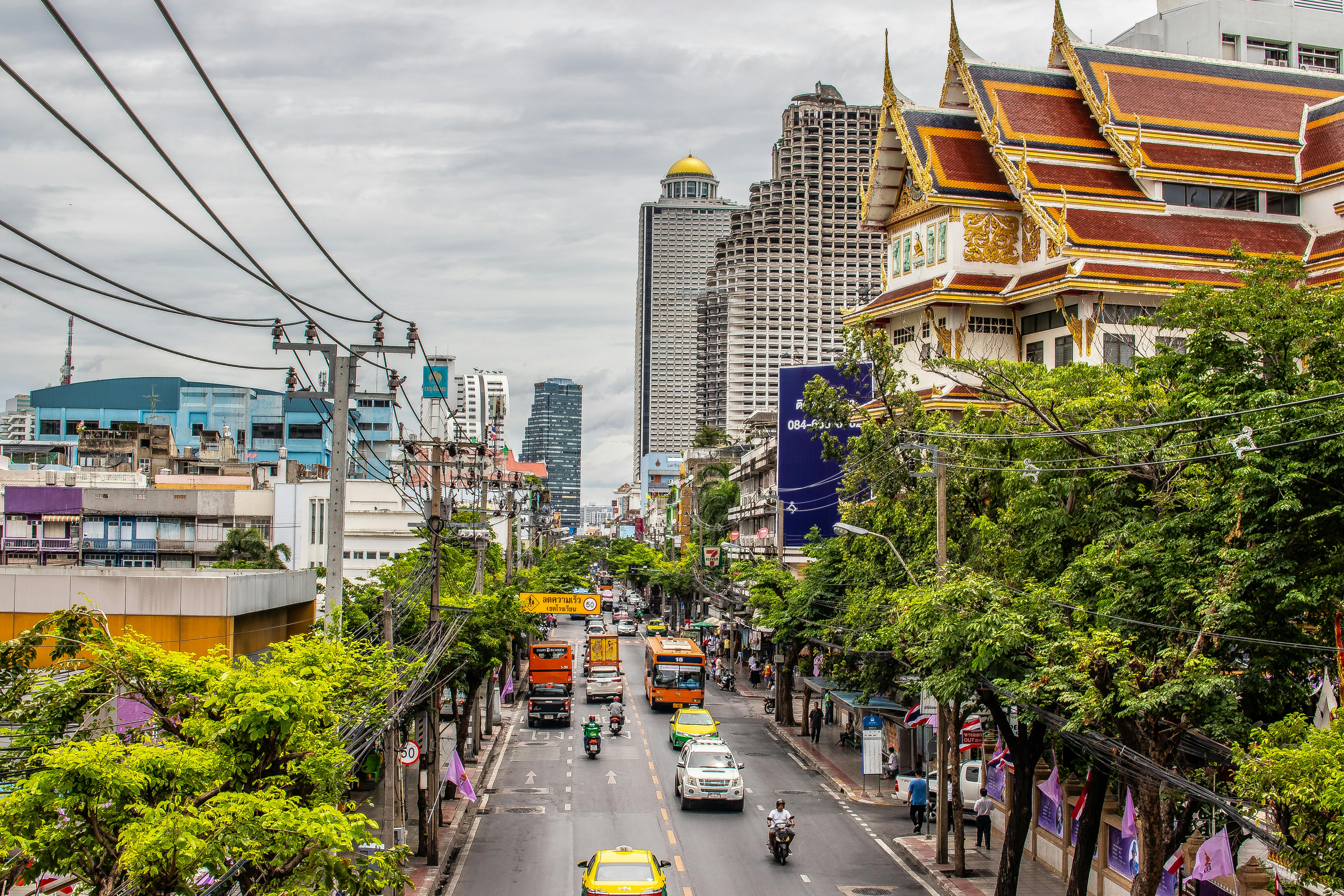
Then get across the river to Wat Intharam Worawihan in Thonburi. This is old Bangkok, the capital before everything shifted to the east bank. (Map pin here.) It's a third-class royal temple and has been a registered national heritage site since 1949, and hardly anyone visits. The newer hall has the stupas and the reclining Buddhas, but the one to find is the small chapel down by the canal. It dates to the Ayutthaya era and holds a shrine to King Taksin the Great: his equestrian statue, and the bed where he meditated after the wars that freed Siam from Burmese rule. He's buried here. It stays quiet enough that you can wander the little halls and the canal grounds without bumping into anyone.
And it's no trouble to reach. Thonburi is on the BTS, so this is a half-day rather than an expedition. Better still, the best lunch in the area is a two-minute walk away.
Morning markets: skip the hotel brunch, eat at a local market
Bangkok eats best early, before most visitors are out of bed. Give the hotel buffet a miss and go find a market that's actually feeding people on their way to work.
Right beside Wat Intharam is Talat Phlu, one of the city's best-known local food markets and a place Thonburi families have shopped at for generations. The street food is some of the best in Bangkok and you'll be one of the only foreigners in the crowd. It pairs perfectly with the temple: market for breakfast, an hour at the shrine, back on the train before lunch.
Over on the Silom side, Silom Soi 5 runs a morning market off the office crowd. Thai breakfast you eat standing up, cut fruit, coffee, the city clattering awake around you. It's a five-minute walk from the Sala Daeng BTS and almost everyone strolls straight past it. Don't.
Two easy day trips just out of the city
After a few days of traffic and concrete, the easiest reset is to get out onto the river. Two spots sit close enough to do in half a day and feel a long way from the city.
Bang Kachao is the one locals call the green lung: a thumb of jungle and stilt-house villages tucked inside a bend of the Chao Phraya, just south of town. You cross on a longtail boat, rent a bike on the far side, and pedal the raised paths through palm forest, past the weekend market and the herb gardens. It's an easy trip to do on your own. If you'd rather not piece together the boat and the bike hire yourself, this guided bike tour handles all of it.
Koh Kret is the other: a small car-free island upriver to the north, home to a Mon community that has made pottery here for generations. Come at the weekend, when the food stalls are out in force. You can walk or cycle the whole loop in a couple of hours, eat as you go, and watch potters working the clay by hand. Easy enough to reach by river boat on your own, or you can let a guide organise the ride.
Go wakeboarding in the middle of the city
No guidebook is going to tell you this, but you can go wakeboarding in Bangkok. Taco Lake is a cable wake park out in the east of the city. A cable loop pulls you round a lake, there's gear to rent, and it works whether it's your first time up or your hundredth. It costs a fraction of what you'd pay back home, and it's a good way to break up a week of temples.
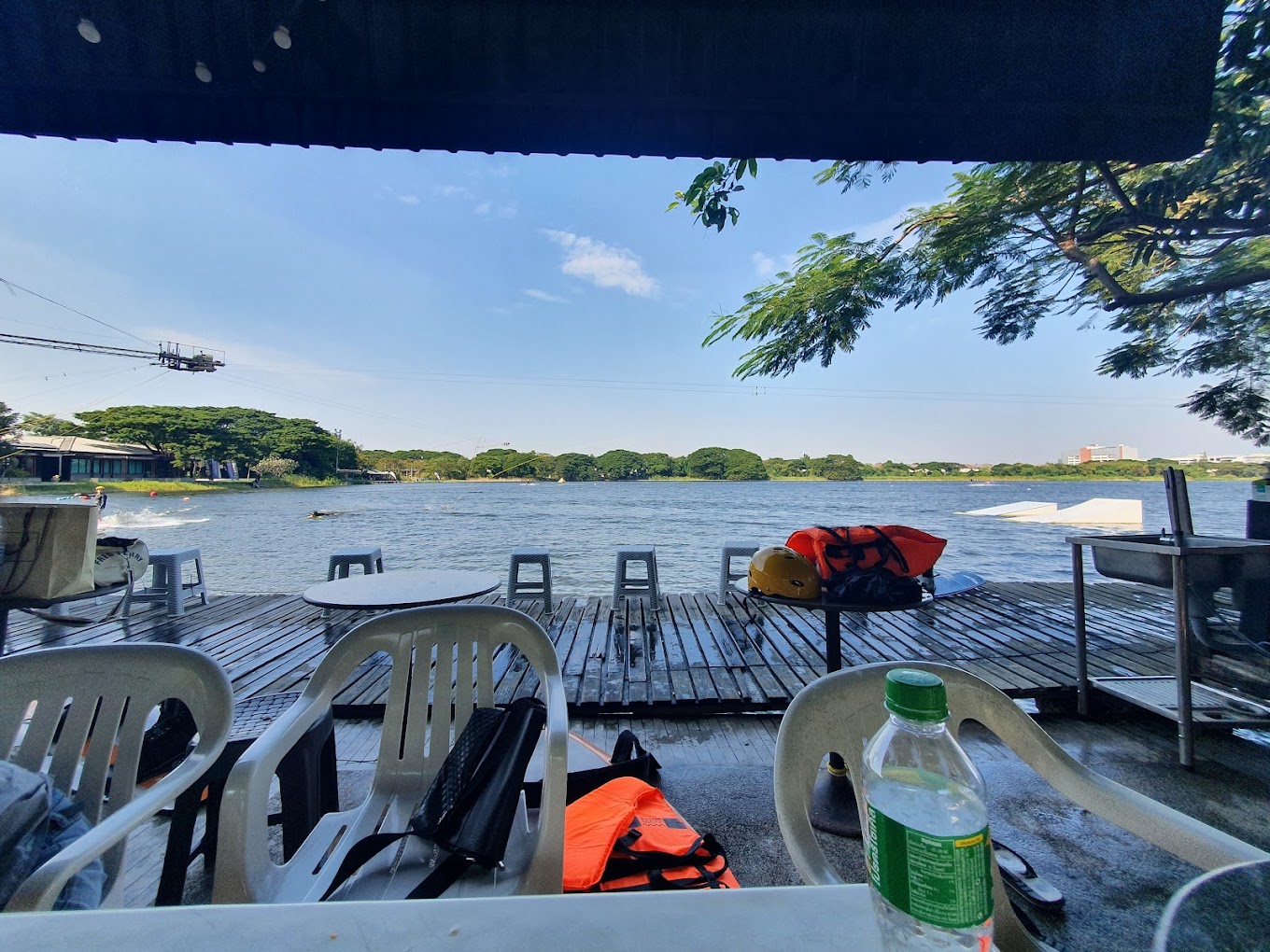
It's also just what locals do on a hot weekend. Not every day out here is a market or a shrine. If you're travelling with kids, or teenagers who've had their fill of old buildings, or you're simply templed-out by day four, this is the cure.
Neighbourhoods: don't just stay in the tourist zone
Where you stay sets the tone for the whole trip, and the default picks (Khao San, the palace district by the river) aren't where the city is at its best. Bangkok is better when you base yourself somewhere with its own pulse: the old-world Thonburi side, Ari for food and bars, or anywhere along the Sukhumvit BTS line if you want to move around easily.
It's a big enough decision that we gave it its own Bangkok neighbourhood guide. Read that and match the area to the trip you actually want.
Getting around: skip the tuk-tuk and the airport taxi line, use Grab
The "authentic" tuk-tuk ride is the surest way to overpay in Bangkok. No meter, a price set against you, and every so often a "quick stop" at a gem shop the driver takes commission from. The taxi touts who find you inside the airport are the same deal. Take a metered cab from the official rank if you like, but honestly, just use an app.
Grab covers the whole city and shows the fare before you book. Keep Bolt and InDrive on your phone too, since they're often cheaper. One trick worth knowing: in busy spots, walk to a quiet side street before you book, so the driver can reach you and you skip the gridlock on the main road. Our guide to using Grab in Thailand covers paying and the rest.